What Is a High Agency Human and Are You One?
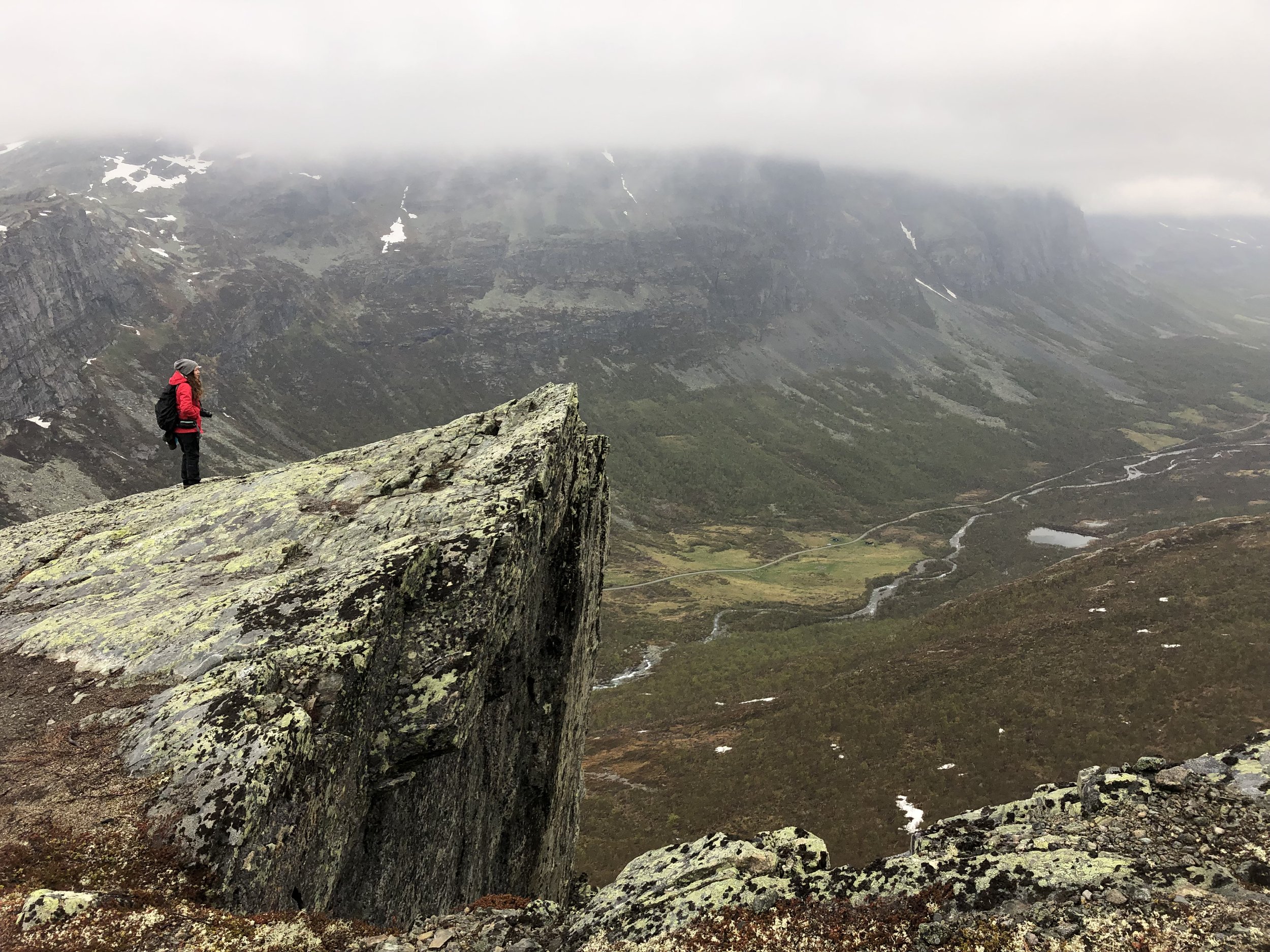
“High Agency Human is a term and project that I’ve created to help give us the freedom to live big no matter what life throws our way.”
Sitting with my friend, organizational performance advisor Michaela Anderson, I stared at the page in front of me with scribbled out book titles. We sometimes meet at her office to have a co-working day together and as a solopreneur, I greatly appreciate this time together. There’s something about being around another driven and creative human that gets the ol’ ideas flowing.
So I stared some more.
I have been noodling over forty titles but nothing seemed quite right.
The core message of the book is that adversity isn’t running the show – you are. What is it that I want for readers (and myself)?
I want them to run the show.
To have high agency.
To be a…
“High Agency Human” I blurted out, breaking the silence.
Michaela looked up from her work, her eyes meeting mine. “That’s it.”
That’s it. That’s exactly it. I felt it.
What is High Agency?
Having high agency means is to possess having both the belief and the capacity to influence outcomes. It is the your intrinsic sense of that you have control and ability to take ownership of your responses, decisions, and actions, rather than instead of letting them being solely dictated solely by external events or forces.
While most accept this broad definition, academics can’t quite agree on the specific components of agency. Some will say it’s they are intentionality, forethought, self-reactiveness , and self-reflectiveness, core features of agency as developed by psychologist Albert Bandura, while others include the desire to achieve, confidence, and competence. Personal agency is a concept that is closely linked to with free will and self-efficacy. It includes both mindset and action.
The definition I’ve settled on is that high agency is a state where you feel a sense of control over and in life while actively and effectively participating in your own outcomes.

“Think of personal agency as a spectrum from low to high, not an inherent trait we are born with but a mindset that can either be cultivated or atrophy. ”
High Agency vs Low Agency
Think of personal agency as a spectrum from low to high, not an inherent trait we are born with but a mindset that can either be cultivated or atrophy. A low agency mindset tends to be reactive and less questioning. A high agency person tends to be active, resourceful, and has biased toward action. They find or create ways to achieve goals. The classic example is that people with a low agency mindset see life as happening to them, while and people with a high agency mindset believe that they are happening to life.
Here are some examples:
Scenario 1: You wake up tired and unmotivated.
Low Agency: “I didn’t sleep well. Today is basically a write-off.”
High Agency: “I’m tired, so I’ll lower the bar, keep my commitments, and protect my energy.”
Scenario 2: A relationship ends unexpectedly.
Low Agency: “I’ve been abandoned. I don’t know who I am without this.”
High Agency: “This hurts. And I still get to choose how I rebuild my life.”
Scenario 3: You’re laid off or lose a major income source
Low Agency: “Screw them. This is unfair. My stability is gone.”
High Agency: “This is a shock. After I stabilize, I’ll map options and take the next viable step.”
There can be areas where in life or seasons of life when you operate in lower or higher agency. For example, you can the go-to person at work that leads others and figures things out when all hell breaks loose but freezes with inaction under the weight of relationship stressors at home. I think there’s something to gathering evidence of being able to get through hard times in varied circumstances but perhaps that’s another article for another day.
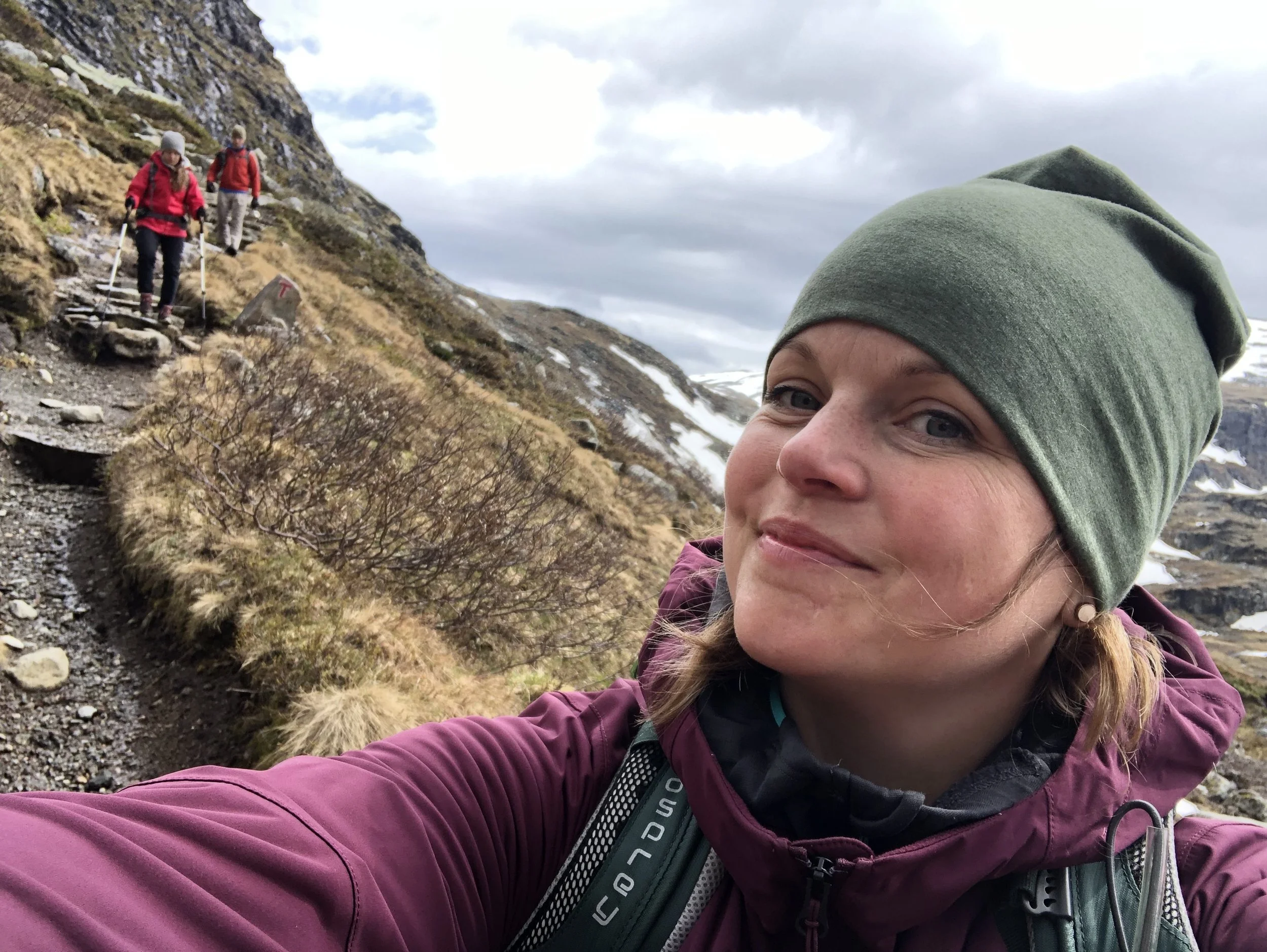
“The classic example is that people with a low agency mindset see life as happening to them, while and people with a high agency mindset believe that they are happening to life.”
Are YOu a High Agency Human?
You’re likely a high agency human if…
1. You focus on what you can do next, not who’s to blame
You notice disappointment, unfairness, or frustration, and then ask:
“What’s within my control right now?”Blame may show up briefly. It doesn’t move in permanently.
2. You act before you feel ready
You don’t wait for confidence, clarity, or motivation to arrive first.
You understand that action creates momentum, not the other way around.
3. You separate circumstances from identity
Setbacks don’t become self-definitions.
A hard season doesn’t mean you’re broken. A failure doesn’t mean you are one.
You say: “This is happening” instead of “This is who I am.”
4. You take responsibility without self-punishment
You own mistakes quickly, and without spiraling into shame.
Responsibility is information, not a verdict.
5. You design systems instead of relying on willpower
You don’t expect yourself to be heroic every day.
You build routines, defaults, checklists, savings buffers, skills, and support.
Agency is prepared, not dramatic.
6. You regulate yourself before reacting
You pause. Breathe. Walk. Write.
You don’t let emotion drive the steering wheel for long, even when it’s justified.
7. You adapt faster than you complain
You might vent, but you don’t stay stuck there.
Adjustment happens quickly. Reorientation is a skill you’ve practiced.
8. You ask for help strategically
You don’t confuse independence with isolation.
You seek support to move forward, not to stay stuck.
9. You keep promises to yourself more often than not
Not perfectly. But consistently. And when you break one, you repair instead of quit.
10. You see adversity as a call to capability, not collapse
Hard things don’t make you smaller. They activate learning, preparation, and skill-building.
You don’t say, “I hope this never happens again.” You say, “If it does, I’ll be more ready.”
Here is a simple self-check: When something goes wrong, which question comes first?
Low agency default: “Why is this happening to me?”
High agency default: “What’s my move?”
If it’s the second, you’re already practicing high agency.

“High Agency Human is (…) adventure, adversity, and well-being preparedness for the everyday.”
How do I increase my agency?
I would be amiss if I didn’t recommend reading High Agency Human: Navigate Adversity and Live Big releasing March 26th, 2026.
And if you wanted to start right now, before reading the book, then I would simply start with language. Agency begins with how you describe reality.
Shift from:
“I can’t because…”
“I have no choice…”
“This always happens…”
To:
“I’m choosing not to…”
“My options are…”
“What’s one thing I can do?”
This isn’t pop psychological positivity, it’s accurate thinking that shapes behaviour and increase agency.
What is High Agency Human™?
High Agency Human is a term and project that I’ve created to help give us the freedom to live big no matter what life throws our way.
It is adventure, adversity, and well-being preparedness for the everyday.
It is the mechanism that gives us the space and freedom to live big.
The core of High Agency Human™ is in our ability to:
Implement Radical Reduction (digital, stuff, other aspects of life as needed)
Master the Mundane (nutrition, physical activity, stress management, restorative sleep, social connection, and avoidance of risky substance use)
Boost Protective Buffers (plans/paperwork, skills, health, finances)
Adopt High Agency Mindsets
Live Big
The project is comprised of the following resources:
High Agency Human: Navigate Adversity and Live Big book releasing March 26th, 2026
High Agency Human assessment (coming in 2026)
Articles and social media posts on LinkedIn, Instagram, and TikTok
Emergency plan templates, kit recommendations, reading lists and other resources.
Walk The Talk
I am spending the full year of 2026 implementing all aspects of High Agency Human: Navigate Adversity and Live Big into my own life and sharing along the way. At the end of the year, I’ll post the complete before and after, along with how implementing the book affected my year. You can also follow the journey and insights on Instagram and TikTok.